AZcaninerehab - Dog Rehabilitation serving Phoenix, Scottsdale, and the North Valley
Connect:
  • Home
  • Philosophy
  • Why Rehab
  • Conditions Treated
  • Services
  • FAQ
  • Testimonials
  • Blog
  • Store
  • Contact

How Does an Assissi Loop Help My Dog?

9/16/2020

 
Your vets have a number of great tools and therapies to help your dog heal from acute trauma and to reduce the impacts of chronic conditions. One of the effective ways to manage and reduce pain and inflammation and to promote healing is with a tool called an Assissi Loop. I am a huge proponent of these devices and I use them effectively on many patients in my practice with positive results. Read more about what an Assissi Loop is and how it may benefit your dog.

How Does an Assissi Loop Work?
An Assissi Loop emits bursts of microcurrent electricity that evenly penetrates body tissue around the area where the loop is placed. This electromagnetic energy causes a chemical process that increases nitric oxide production, known to promote healing in humans and animals. This compound is released naturally in the body when we are injured, and even when we exercise to signal the body to repair itself. 


The loop is effective on both hard and soft tissue including skin, bones, ligaments, tendons, and even organs. It was designed to use a specific ratio of frequency-to-burst width that has been proven to be effective at delivering the optimal amount of electromagnetic energy needed to stimulate nitric oxide production. Too little isn’t as effective and too much can actually slow the healing process. In this case, more power does not mean more effective.

Assisi loops are pulsed electromagnetic field (PEMF) devices offering non-invasive therapeutic benefits. This FDA-approved therapy can be used on dogs, cats, and horses as well as on humans. The 15-minute timed treatments promote blood flow and have no known side effects. The Assissi Loop has been found to not only speed the healing process but also to reduce inflammation and reduce pain levels. It penetrates fur, casts, and bandages to reach body tissue for powerful relief with only a minimal tingling sensation in some people and animals.

Medical Conditions the Assissi Loop May Treat
The Assissi loop can be beneficial with medical conditions that cause pain and swelling, inflammatory conditions, some neurological and degenerative conditions, as well as post-surgical care and wound healing. This includes:


  • Arthritis
  • Fractures and broken bones
  • Degenerative joint disease
  • Cruciate tear (CCL)
  • Broken bones and fractures
  • Lumbar stenosis
  • Intervertebral Disk Disease ( IVDD)
  • Hip dysplasia
  • Muscle strains
  • Amputation healing
  • Degenerative myelopathy
  • Neuropathy
  • Wobbler’s syndrome

It may also help with irritable bowel syndrome (IBS), pancreatitis, cystitis, granulomas, tumor removal, tooth extraction, and other medical issues. If you’re unsure if it may be useful for your dog, please ask. 

How Do I Use an Assissi Loop?
An Assissi Loop is a prescription item that must be prescribed by a doctor or veterinary professional. When you bring your pet to a vet, we will do a thorough evaluation and then will discuss treatment options with you which may include an Assissi Loop. If it is not mentioned and your dog has one of the medical issues noted above, it is worth asking.


To use the Assissi Loop, simply hold it over the area you wish to treat and press the button to turn it on. You will see a flashing light to indicate that it is working. Each treatment is timed for 15 minutes, so when the light stops flashing, you know the treatment is done.

Your vet will tell you the treatment recommendations for use. Typically it will be in the range of two-to-four 15-minute treatments per day. For acute conditions, like a fracture or post-surgery, you may use it at a higher level for the first week and then taper off treatment. For chronic conditions or degenerative issues, you may continue treatment until there is a significant improvement or possibly indefinitely.  You may be able to taper treatments down in time even if continues for a long period of time. 

What Does My Dog Feel with an  Assissi Loop?
Using the loop can significantly increase tissue oxygenation and blood flow. This reduces pain associated with a lack of sufficient oxygen and improves overall tissue health. As a result, some animals will notice a warming or tingling sensation though it is subtle and many animals won’t notice any differences at all. Some animals will relax as soon as the treatment begins. Others may move away from it initially due to the increased sensation.


It’s possible you may see some mild twitching, particularly in animals with certain long-term degenerative or chronic conditions. This is very rare, and it is caused by the increase in blood flow to the area. If you do see this, contact your vet and they will likely recommend you reduce the duration of the treatment until the twitching subsides and the area is assimilated to the increase in blood flow.  

If you’re concerned, try it on yourself! You can absolutely put it over an area on your own body to see what it feels like before using it on your pet.
 

When Can I Expect to See Results?
Like with so many medical issues, the answer is: it depends. For acute inflammation like post-surgery or trauma, you will likely see a noticeable difference after the first or second treatment. It can take longer, and up to 2 to 4 weeks, for chronic or degenerative issues. Stick with it, though, and you should see results from the long-term healing process.


The Assissi Loop provides a minimum of 150 treatments that are 15 minutes each. Generally, it is covered if you have pet insurance though you will want to check first if that is a concern. 

If you’re looking for ways to help reduce pain and inflammation and to promote healing, an Assissi Loop is an effective, FDA-approved treatment option for your dog. I have been using them for years in my practice with positive results and would be happy to answer any questions. If you’re curious, please ask as we can try it out in the gym!

How to Deal with Caregiver Fatigue

8/10/2020

 
Caregiver fatigue and burnout is a real thing. Ask anyone with a terminally-ill dog or one with a serious health condition, particularly one that affects mobility. The heavy emotional challenge often accompanied by a physical burden can really take a toll on your mental and physical health. 

This isn’t something we like to talk about as it can be an uncomfortable feeling that we can’t always do everything we feel we should for our beloved pet, but it’s something we really need to talk about. This post will help you to identify the signs, understand the causes, and includes some practical tips for dealing with caregiver fatigue.

What is Caregiver Fatigue
First of all, if you are feeling exhausted, frustrated, sore, and isolated while trying to support your beloved dog who is dealing with a significant medical issue, you are not alone. Most of us go through it at one point or another and it’s a really tough time. Not only are our hearts and bodies taking a beating but our minds are as well as we have a tendency to load on guilt when we’re in this situation. We feel guilty for what we can’t do or perhaps that we feel we may not be doing enough.

It’s no different from caregiver fatigue when caring for our human loved ones. When the symptoms aren’t managed, caregiver fatigue becomes caregiver burnout: a state of emotional, mental, and physical exhaustion.
 
What Causes It?
Caregiver fatigue and burnout are typically reported with extreme fatigue, stress, anxiety, hopelessness, and sometimes depression. The caregivers are often so busy caring for their loved ones that they often neglect their own health and it takes a toll. 

Here are some causes of caregiver fatigue and burnout:

  • Lack of control — Unfortunately, we’re not always able to control the medical situation of our dog. That may be due to a deteriorating condition and aging, or it may be a financial challenge to provide care. It may be a lack of time or not having the right skills to manage the situation. 
 
  • Unrealistic demands — Sometimes we take on too much responsibility that could possibly be shared with other family members. Other times, this burden is placed on us. Additionally, we sometimes place unrealistic burdens on ourselves as to what we can actually do. 
 
  • Unreasonable expectations — Sadly, no matter how much we may be willing and able to do, we simply can’t stave off the inevitable. We hope to have a positive effect on our dog’s health and happiness but that’s not always possible. It can feel very personal when this happens when we are giving so much. 

What often happens when people suffer from caregiver fatigue is that they lose the ability to assess their own situation as they are so focused on who they are caring for. This leads to burnout and eventually to an inability to function effectively. Though this is understandable, it does no one any good, particularly the patient.

How to Know if You Have Caregiver Fatigue?
The symptoms of caregiver fatigue are often similar to those for stress and depression. They may include:

  • Exhaustion, both emotional and physical
  • Loss of interest in activities the person used to enjoy
  • Irritability, hopelessness, and helplessness
  • Changes in weight, appetite, or both
  • Isolation and withdrawal from loved ones and socializing
  • Increased illness or possibly physical injuries
  • Changes in sleeping, either too much or too little

As fatigue evolves into burnout, the severity of symptoms may increase and more serious symptoms may evolve like feelings of self-harm or aggression. 

Tips for Managing Caregiver Fatigue
Though it may not feel like it sometimes, there are a lot of things you can do to manage caregiver fatigue and to try to keep it from progressing.

Talk to Someone
Find a person you trust that you can share your feelings with. It may be a family member, a friend, or a coworker. Whomever it is, just make sure you can have an open and supportive dialogue. Sometimes just sharing your feelings will help you feel better. 

Consult with a Vet
If you’re feeling burned out by caring for your dog, talk with me or your primary care vet about it. We understand what you’re going through and maybe there are changes you can make or something we can recommend to help you manage the situation better. For example, if you’re having to carry your dog around on bad days, maybe a cart would help ease your back while still helping your dog. It’s important to educate yourself to be sure you understand what to expect and talking with your vet is a great way to do that.

Set Realistic Expectations

Fear of the unknown, or even an unpleasant future, can weigh heavily on you. However, it’s important for you to prepare yourself for what the future may bring. Make sure when you talk with your vet, you get a clear picture so you can set your expectations accordingly. You don’t want to set yourself up for failure by expecting that your assistance will cause dramatic improvement if that isn’t possible.

Ask for Help
You may feel you need to do it all for one reason or another, but that’s not entirely true. It’s important to ask for help when you need it. Maybe it’s a family member or a friend or perhaps it’s paying for a temporary caregiver to help. Know your limits and be honest with yourself.

Take a Break
We all need to get away sometimes and it’s especially important when you’re feeling burned out. See if someone can care for your dog for a couple of days. Or check with your primary vet. Vet techs often offer pet-sitting services and they have medical experience, are familiar with your dog’s issue, and your vet’s cell number!

Take Care of Yourself, Too
Your focus may be on your dog and that’s understandable, but you need some “me time” too. This includes mental, emotional, and physical self-care. Take time to go for a walk or to the gym. Get a massage if your back is hurting or take a hot bath. Do some things you enjoy too so it’s not all about your dog, at least for a little while. And make sure to get plenty of sleep, exercise, and eat well. Make sure to fill your own cup first. Especially when you are taking care of two, it’s important.

Talk with a Professional When You Need
Sometimes we need a little extra help from a professional. That may be a therapist, social worker, or even a clergy member that is trained to counsel people dealing with similar issues. You can also look for groups, either in-person or online, that may be able to provide you with some support when you need it.

Above all, be kind to yourself and accept how you are feeling. This can be a really tough time emotionally and it’s okay to not be okay. It’s okay to feel negative, frustrated, overwhelmed, or angry. It doesn’t mean you’re a bad person or that you’re doing a bad job caring for your dog. 

Taking care of your dog when they are injured or unwell is hard work! It’s tough enough when it’s short-term but when longer-term care is required, it can be really challenging. Try to be positive but realistic as well, and make sure you make it onto your list for care. After all, we can care for others better when we are taking care of ourselves, first. Don’t wait until you are completely burned out and above all, make sure to communicate and ask for help when you need it.
Does My Dog Need Hydrotherapy?

7/19/2020

 
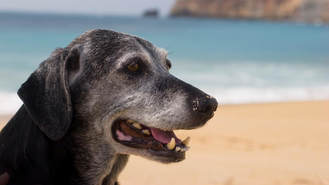
Hydrotherapy, or aquatic therapy, has become a popular therapeutic treatment option for dogs and in fact, it is one of the best known. Many people haven’t heard of canine physical rehabilitation, yet they know about hydrotherapy. Owners sometimes believe it’s the most effective option, or the only option, as that’s all they have heard of. In fact, rehab can be done effectively without hydrotherapy for most medical conditions. Here is what you need to know about hydrotherapy for your dog.

What is Hydrotherapy?
Hydrotherapy is essentially water therapy, the therapeutic use of water to improve health. For dogs, it usually consists of walking in the water or swimming. This could be anything from walking on the beach to swimming in a pool. There are two types used for canine rehab:

Underwater Treadmill
When you hear the word “hydrotherapy,” chances are you think about an underwater treadmill. It is a treadmill, either motorized or manual, that is encased in a glass or plastic chamber. The dog enters the chamber, the door is closed, and the chamber is filled with water until it’s just above the dog’s legs. The treadmill begins to slowly move and your dog will begin to walk. The water serves to provide resistance while taking away the stress of gravity to provide a low-impact workout.

Therapeutic Swimming
Therapeutic swimming, or swim therapy, is exercise using controlled swimming to build muscle and to gain strength. It is a no-impact exercise that eliminates the impact of gravity on the bones and joints. It can be done in a small, special pool designed for its use or even a regular swimming pool if the temperature is comfortable for your dog. Swimming provides a good cardiovascular workout, can help to burn calories, and works the core muscles.

Hydrotherapy isn’t required to be done in a clinical setting. You can take your dog swimming in a pool or body of water, however, you should closely supervise your dog and consider a life jacket designed for dogs. Swimming is hard work and dogs can get very tired. It’s a good idea to talk with a vet before taking your dog swimming to ensure it can be done safely. Dogs with certain medical conditions are not good candidates.

What are the Benefits of Hydrotherapy?
Canine hydrotherapy can be used to treat a wide range of health conditions and injuries due to its low-impact nature. It helps to improve endurance, cardiovascular fitness, range of motion, and general well-being. It helps to relieve pain, rehabilitate joints, increase range of motion, and promote blood circulation. Hydrotherapy is used on many conditions including neurological problems, injuries and post-surgical healing and recovery, weight loss, and others.

Hydrotherapy is effective for many medical conditions to supplement other physical rehab therapies. 

What are the Issues with Hydrotherapy?
Hydrotherapy can be an effective therapeutic treatment, however, it doesn’t work for all dogs. 

Not All Dogs Are Candidates
Dogs with certain medical issues may not be ideal candidates for this kind of therapy including dogs with breathing difficulties, heart disease, or open wounds or sores. If your dog panics in water, they could cause further injury thrashing in the water. Also, at the beginning of treatment, hydrotherapy and in particular, swimming, could be too strenuous an activity for much time.

It Doesn’t Promote Progressive Overloading

To add strength and to generate muscle growth, muscles and tendons have to be gradually loaded with progressive resistance. This is the same in dogs as it is in humans. Think of it like this—when you want to gain strength, do you run on a treadmill or do you lift weights? Sure, we will gain some muscle strength from running on a treadmill, but we gain more muscle and overall fitness by lifting weights or using our body weight for resistance, and the same goes for your dog. They may gain some strength initially, but will likely plateau.
 
Promotes the Progression of an Abnormal Gait

If your dog has an abnormal gait, the use of an underwater treadmill will continue the progression. It makes sense to first perform an assessment to determine the cause of the abnormal gait and address those issues first before considering the use of an underwater treadmill. 

Doesn’t Target Specific Muscles
Though hydrotherapy is effective for strengthening, it can’t target specific individual muscles to reduce inflammation or pain or for strengthening. 

Lucky for you, your rehab vet has a lot of tools in their arsenal to help dogs return to full function after an injury, improve fitness, and manage long-term medical conditions. There are many different treatments available with canine physical rehab. 

So, back to the original question: does my dog need hydrotherapy? While many owners have an expectation that a rehabilitation practice will offer hydrotherapy, and by that, they generally mean an underwater treadmill, it may not be necessary for your dog. The answer is that while it may sometimes be beneficial, it is generally not required and certainly is not the only therapeutic means to provide relief and to promote healing for your dog.

What Can Canine Rehab Help With?

6/26/2020

 
Canine physical rehabilitation helps dogs by diagnosing and managing functionality-limiting conditions. This can include recovery from surgery, an injury, a mobility issue from an underlying health condition, or old age. The ultimate goal of canine rehab is to help your dog achieve the best quality of life with the highest function possible while managing pain. This post will delve into the issues and conditions canine rehab can help.

How to Know When Your Dog Can Benefit from Physical Rehab
Canine rehab can be a really effective way to improve your dog’s quality of life. Just like with physical rehab in humans, Many of the
same principles and treatments used for physical rehab in humans are used in dogs as well. There are a number of medical conditions and issues that it can help with and the best way to know for sure is to consult with a Certified Canine Rehabilitation Therapist (CCRT). 

A CCRT has the education and knowledge to most effectively and safely help your dog.  Though all vets learn about the musculoskeletal system, a Certified Canine Rehabilitation Therapist receives additional training specializing in canine rehab. Your primary vet may refer you to one. However, even if they don’t, you can go to a canine rehabilitation vet on your own and they will keep your vet apprised of all treatment. 

What Conditions Can Physical Rehab Help My Dog
There are a number of issues and conditions dogs can have which physical rehab can help with to increase mobility, improve quality of life, and decrease pain. This is an extensive list, however, it is by no means every single condition that canine rehab can help with. If you have any questions if it could help your dog, please ask.


Post-Surgery
After a surgical procedure, physical rehab can be very beneficial to your dog. Rest and controlled activity are important initially. However, the longer their body is inactive, the more muscle atrophy will occur. It’s a careful balance that a trained rehabilitation vet can guide you through with an evaluation, in-office work, and a structured homework program. Incorporating rehab into the healing process safely promotes a faster return-to-health for your dog.

Canine rehab can help reduce inflammation and pain, strengthen supporting tissue, promote early weight-bearing, improve coordination and balance, and decrease compensatory muscles. It can also provide much-needed mental stimulation for dogs that are on restricted activity. 

Some of the common surgeries that will benefit from rehabilitation:


  • FHO (Femoral head and neck ostectomy in the hip)
  • Total hip replacement
  • Amputation
  • Cruciate repair (knee) including TPLO, Extracapsular cruciate repair, or TTA cruciate repair
  • Luxating patella repair
  • Fracture repair
  • Limb deformity/angulation surgery
  • Tendon release procedures
  • Joint arthrodesis/fusion
  • OCD surgery (osteochondritis dissecans)
  • Ventral slot fenestration decompression surgery

There are other surgeries that may benefit from physical rehabilitation so it’s a good idea to ask.

Injury
Post-surgical dogs are not the only ones that benefit from physical rehab. It can also be used to promote healing for injuries and may help your dog avoid surgery. Here are some of the common injuries that may benefit:


  • Cruciate injury/ACL tear (knee) — decrease inflammation, restore extension, speed and improve recovery, and reduce the risk of injury to the other leg
  • Joint dislocation — strengthen the supporting muscles and ligaments to prevent re-injury
  • Patellar luxation — strengthen the quadricep muscles and prevent re-injury
  • Tendon injury — decrease inflammation and scar tissue while increasing range of motion and strength
  • Fractures — prevent muscle contracture and speed up recovery
  • Muscle injuries — decrease inflammation, prevent scarring, speed healing, and restore normal function
  • Nerve injuries — speed recovery, manage pain, and improve functional adaptation
  • Back injury (IVDD) — manage pain, increase muscle support to prevent re-injury, and provide gait retraining to help return-to-walking

Health Issues
There are a number of different health issues that can also benefit from canine physical rehabilitation including arthritis, which typically impacts older dogs.
Obese dogs can also benefit from a physical rehabilitation program.


  • Hip dysplasia — increase comfort and mobility, build supporting muscle mass
  • Elbow dysplasia — decrease inflammation, strengthen, and increase mobility
  • Degenerative myelopathy (DM) — slow the progression of the disease and prolong life by maintaining muscle function
  • Cauda equina syndrome (CES)— manage pain while maintaining strength and function
  • Neuromuscular disease — manage pain, strengthening, adaptation 
  • Obesity — create an individualized weight loss program
  • Arthritis — decrease inflammation and the need for medications, increase mobility and range of motion

Canine physical rehabilitation can improve the quality of life for your dog. It is beneficial while they heal from surgery or an injury and can help to manage a mobility issue or many other health conditions, even including arthritis and obesity. For dog lovers, this is huge. After all, what wouldn’t we do for our best friend?

Should You Consider Canine Rehabilitation for Your Dog?

5/24/2020

 
There are a lot of different ways we can help our dogs live better lives. It’s sometimes hard to know which will be most effective for our dog’s specific situation. If your dog is recovering from an injury or surgery, or has a mobility issue from an underlying health condition or simply old age, canine rehabilitation may be helpful. Read more to learn about canine physical rehabilitation and how it may help your dog to live an improved quality of life.

What is Canine Rehabilitation?
According to the American Association of Rehabilitation Veterinarians, canine physical rehab is “the diagnosis and management of patients with painful or functionally-limiting conditions, particularly those with injury or illness related to the neurological and musculoskeletal systems.” Essentially, if your dog is having mobility issues and/or pain, they may benefit from physical rehab. This practice adapts physical therapy techniques used on humans to improve the function and mobility of joints and muscles.

The goal of physical rehab is to achieve the best quality of life with the highest level of function and independence possible while decreasing pain. It can assist with recovery from surgery, injury, age-related diseases, degenerative diseases, and obesity.

Rebuild
Within two weeks of an injury, the body loses strength and conditioning. Physical rehab works to rebuild this loss of strength, much like a human physical therapist does, through a variety of techniques and treatments. Pain management is an essential part of this process.

Retrain
The body compensates for weak, injured, and diseased areas, leading to abnormal function and increasing the risk for re-injury or a new injury. Physical rehab retrains nerves and muscles to move as designed, enabling your dog to function better and decreasing the risk of further injury.

Renew
Improve your dog’s quality of life by addressing issues from aging, injury, and disease. By improving flexibility, strength, and balance, your dog can gain function, independence, and happiness.

Why You Should Choose a Vet with Rehab Training
All vets learn about the mechanics of a dog’s body, including the musculoskeletal system. The Canine Rehabilitation Institute provides additional training for veterinary professionals worldwide for canine rehabilitation. Their certification, Canine Rehabilitation Therapist (CCRT), provides the standard for initial and ongoing continuing education. With this certification, you know your vet has the training required to safely and effectively help your dog.

With this advanced training in mobility-specific issues including managing and preventing them, CCRTs have advanced knowledge in pain management, strengthening and conditioning, stretching and flexibility, the use of assistive devices, and maximizing your dog’s physical potential. With this training, vets can evaluate dogs from a functional standpoint, looking at the specific areas as well as the whole to provide the best treatment for your dog.

Treatments and Therapies
There are many different modalities and treatment methods rehab vets use. Here are some of the most common:
  •  Therapeutic exercises — Your dog is guided through exercises in the gym and will get a home-exercise program including many of the same activities. They sometimes utilize specialized equipment to focus on strength and balance.
  • Thermotherapy — The use or heat or cold to promote healing, reduce inflammation, and increase tissue elasticity.
  • Therapeutic massage — Increase circulation to improve healing, reduce swelling, enhance relaxation, and decrease pain.
  • Manual therapy — Hands-on therapies including muscle trigger point release, traction, myofascial release, and joint mobilizations.
  • Balance and proprioception retraining — Improving core strength and body awareness using a variety of exercises and techniques to reduce the risk of injury and build the necessary proper conditioning for the rest of the body.
  • Cold-laser therapy — The use of low-level laser light to relieve arthritis symptoms, decrease muscle and joint pain, relax muscle spasms, and increase blood flow for healing.
  • Neuromuscular electrical stimulation — Stimulate muscle tissue to contract with the use of an electrical current.
  • Pulsed electromagnetic field therapy — Reduce soreness from injury or arthritis or stimulate healing through the use of electromagnetic energy. 
  • Orthotics and prosthetics — Some dogs may benefit from items like custom-fitted splints, carts, braces, or artificial limbs. rehab can focus on retraining movement with their use.
  • Hydrotherapy — Use of an underwater treadmill or swimming pool therapies that provide buoyancy and water resistance in a controlled environment.

These treatments may be used independently or in conjunction with each other under the guidance of a trained rehab vet. There are other treatments available and your rehab vet will determine a treatment plan that is customized to your dog’s specific needs.

Canine rehabilitation can be a helpful and effective way to improve your dog’s quality of life. Many of the principles and treatments that are used in humans are equally effective in dogs. It makes sense, and it can be a great way to help our best friend to live their best life possible.

If you’d like to learn more about rehab to see if it might be beneficial for your dog, please contact me at [email protected]. I’m here to help.

Pet Insurance

4/14/2020

 
What is the Benefit of Pet Insurance for Rehab?

Medical costs can add up quickly for your beloved pet. When you consider that the cost to treat cancer can run over $5,000 and the cost to repair a torn cranial cruciate ligament (CCL, called an ACL in humans) is generally in the range of $3,000 to $5,000, caring for your dog can be a heavy financial burden. We want to give them their best lives possible and to avoid making treatment decisions based on cost alone. Pet insurance can help, but there are a lot of options available and it’s hard to know if it’s worth it. Here is some information about pet insurance and rehab coverage to help you decide what’s right for you and your pets.

What is Pet Insurance?

Pet insurance is a healthcare policy for your pet that will reimburse you for certain medical expenses. It’s designed to protect you against the risk of paying high fees for medical care, or even worse, to have to make medical decisions or even to have to put your dog down because you can’t afford care. It is a way to save on veterinary costs when your pet gets sick or is injured.

There are more than 77 million dogs owned in the United States, and in fact, close to around 70% of homes have a dog or cat. According to the American Veterinary Medical Association (AVMA), 2.16 million pets are insured in the United States. Vet care is the largest expenditure for our companion animals, and owners spend around $15.25 billion every year on their pets.

Most pet insurance is paid on a monthly basis, and the average premium is $47 a month or $566 a year for a dog. Each plan is different and some exclude medical conditions like hip dysplasia or have a schedule limiting the amount it will pay for certain conditions, so it’s important to read through the policy before you buy.

Most policies require paying a small portion of the total and the insurance company picks up the balance, up to the approved amount or percentage of the bill. However, unlike human health insurance, it is a reimbursement, so you do have to pay out-of-pocket first, then you file a claim with the insurance company to be reimbursed.

What Pet Insurance Covers and Doesn’t Cover

Just like with human health insurance, pet insurance doesn’t cover everything. Though each insurance company may vary, most pet insurance policies cover medical injury and illness claims to a specified percentage or amount. Some cap the total amount they pay and others have a schedule for certain conditions or treatments. Others offer a percentage of reimbursement to a specified level.

Here are some common things that pet insurance policies generally do not cover:

1.     Pre-existing conditions — If your pet had a health issue prior to your purchasing the insurance plan, this condition is generally not covered. In some cases, if a dog has a previously-cured condition and remains symptom-free for a period of time, some insurance companies may cover.

2.     Elective procedures — Things like claw removal, tail docking, and ear cropping are typically ineligible for coverage unless they are deemed to be medically necessary by your vet.

3.     Wellness care — Most pet insurance does not cover for routine medical care such as dental cleanings, spaying and neutering, vaccines, and flea and tick prevention. Some companies do offer preventive medical plans so make sure to ask if that is of interest.

4.     Liability coverage — Pet Insurance policies don’t cover the cost of damage your pet may do to property or to a person.

Before purchasing a pet medical insurance policy, be sure to read the details of the policy that explain what is covered and what is not to be sure the policy meets your needs.

Pet Insurance and Rehab

Canine physical rehab expenses are paid up-front just like with any other vet costs. For those with pet insurance, many pet insurance policies do cover canine rehab expenses. The rehab vet provides an invoice for the expense with all of the information that is needed for submission to the insurance company.

Just like with any other vet expenses, there are differences in coverage between insurance companies, and sometimes even between policies with the same company, so you need to check yours to see what coverage is provided. The American Association of Rehabilitation Veterinarians (AARV) published a summary of coverage for canine rehab costs across many different insurance companies that may be helpful but again, you need to check your individual policy carefully to determine your specific coverage. This summary may be especially helpful if you don’t currently have coverage to help you narrow down options.

Is Pet Insurance Worth it?

Ultimately, only you can decide if pet insurance is right for your situation. Consider the cost of the insurance along with the potential vet expenses for various issues. You may find you pay a lot up-front when your dog is younger and may not need coverage, however, as your dog ages, expenses tend to go up and having this financial protection can be beneficial.

Pet insurance can be a great way to help with the cost of veterinary care for your dog. There is a wide range of coverages so be sure to read the fine print thoroughly before making any decisions. You may also find that your employer offers a group pet insurance policy as an ancillary benefit in your employment package so check if that’s available.

Pet insurance can be a helpful way to budget for anticipated costs and a good way to provide the best care to your best friend. If you do have pet insurance, just let me know and I’m happy to provide you with the necessary documentation to file your claim.

One of the Deadliest Diseases That Could Affect Your Dog

3/8/2020

 
If there was a disease that could cost you precious time with your dog, you’d want to know what it is and how to avoid it, right? I’m going to share with you an issue that is common in dogs that can easily be prevented which will save suffering as well as cost and time. I bet I have your attention now!

 That issue is obesity.
 
What is Obesity?
Obesity is an accumulation of excess body fat which generally translates to extra body weight. When a dog weighs more than 20% over their ideal body weight, they are considered to be obese. Obesity is the most common and preventable disease afflicting dogs in the United States.

In a 2018 survey on dog and cat obesity, 36.9% of dogs were classified as overweight and 18.9% of dogs were classified as obese. This was a slight increase from the 2017 study and an estimated 50 million dogs. The issue is pervasive. So, if you have an overweight or obese dog, you’re not alone. A significant number of dogs are in the same boat right along with yours.

How Does Obesity Happen?
Dogs often become obese gradually, where an owner may notice the dog has gained a few pounds and then may notice the dog is a bit less active than it used to be. Feeding an excess amount of food for the dog’s activity level is ultimately what contributes to the condition and the dog that is chubby or plump can slide into obesity.

Often it’s a mindset issue with owners, where people think that if their dog is “fat and happy” it means they are taking good care of their dog. While these owners’ intentions may be wonderful, allowing a dog to become obese is not. It’s not cute but sadly, obesity poses a significant health risk. 

What are the Risks for Your Dog with Obesity?
Obesity shortens your dog’s life. It’s generally accepted that overweight dogs live shorter lives by 6 to 12 months. However, a lifetime study of Labrador Retrievers was done that shows being even moderately overweight can reduce a dog’s life expectancy by nearly two years. Let that sink in for a moment: You could lose up to two years of time with your dog if they are moderately overweight.

Obesity is now believed to cause an inflammatory response in your dog, or said another way, it’s a chronic, low-level inflammatory condition. Obese dogs are at an increased risk for:

  • Hypertension (high blood pressure)
  • Diabetes mellitus
  • Heart disease
  • Many types of cancer
  • Osteoarthritis 
  • Urinary bladder stones
  • Complications under anesthesia
  • Increased risk of injury

And the list can go on. It’s a sobering thought that obesity not only takes years off their lives, but can also contribute to their being less healthy while they are still with us.

How to Know if Your Dog is Overweight.

You should be able to see and feel your dog’s ribs if they are at a healthy weight. You should also be able see and feel their waist and it should taper in when viewed from above. If either of those doesn’t hold true, then your dog is overweight and should likely lose some weight. And before you think your dog isn’t overweight because their legs aren’t chunky, I’m sorry to say that’s not where they store fat. It’s typically found in their chest, belly, and hips.

What You Can Do if Your Dog is Overweight.
The good news about obesity is that there are things you can do to help your dog live a happier and healthier life. It’s not always easy, but you absolutely can turn things around.

If your dog doesn’t pass these checks or if you are unsure, make an appointment with your primary vet. A physical exam and diagnostics like blood work will help your vet determine if there are any secondary health issues resulting from the excess weight.

Then, come to see me! I can work with you on an exercise regime that will help your dog stay active and strong. It’s not all about work as it’s important that you both have fun to keep up the momentum. And it’s also not only about activity. If your dog is not on a prescription diet, I can do a review of macronutrients and calories (protein, fat, carbs) of what you are currently feeding to help with simple adjustments.

In upcoming posts, I’ll write about some tips to help your dog on the path back to fitness and health including exercise and diet and ways to maintain once you’re there.

Obesity in dogs is a problem that can decrease the quality and quantity of your dog’s life. There is hope and there are things that you can do to make a huge difference. You absolutely can turn it around and your dog will thank you.

Why You Want Your Vets to have Fear Free Certification

2/25/2020

 
Picture
Fear free is a movement increasing in popularity that acknowledges the importance of the emotional and mental well-being to our pets’ overall health. It has been long recognized and is now gaining ground. More and more owners and animal professionals understand the importance and are being educated on how to use it to improve interactions with our pets.

Fear free philosophy leads us to rethink everything from general care to vet visits. Here is what you need to know about Fear Free and why you want to consider vets (and other animal professionals) with Fear Free certification.

What is Fear Free and Fear Free Certification?
Fear Free is a philosophy and practice that works to prevent and reduce fear, stress, and anxiety in pets through educating the people who care for them. Fear-Free Certification is education for pet owners, the professional pet community, and veterinary professionals. The philosophy and programs provide knowledge and tools that center around feeding our pet’s minds as well as their bodies for overall well being.

Fear Free, and the associated movement, was founded by Dr. Marty Becker, often known as “America’s Veterinarian.” It is a transformative initiative and more than 66,000 vets and pet professionals are now Fear Free Certified®.

How Does Fear Free Work?
The first step with Fear Free is understanding how animals communicate signs of stress. Some common examples are dilated pupils, tucked tail, tense face, lips drawn back, and of course snarling or growling. As an owner, you should be asked about any known stressors for your pet that trigger a reaction–things like noises, odors, and unfamiliar people.

The goal is to reduce stress because of the negative impact on all involved. Stress in our pets can lead to things like slower recovery times from injury or disease and challenges with examining and treating pets. And owners with dogs who are stressed at the vet’s office often take their pets less frequently for wellness visits.

There are a number of points when we can reduce stress in pets relative to vet visits. First, we can work to reduce stress on the way to the vet’s office. If this is a known stressor for your dog, talk with your vet on ways to try to reduce their anxiety.

Next, once you arrive at the vet’s office, it’s important to notice the stress level in your dog and adjust accordingly. If your dog gets anxious around other dogs, it’s a good idea to try to separate them or to give as much space as possible. Keep your dog on a leash until he is in a room and consider asking if your dog may go directly to an exam room to wait.

Consider rewards like treats and toys during an exam so your dog associates it with positive experiences. Remain calm, speak in quiet voices, approach the dog in a slow manner, and be aware of any sensitivity to loud noises and quick movements. Overall, the goal with Fear Free is to make the experience as stress-free as possible for the pet and all involved.

What Does Fear Free Mean When Choosing a Vet?
A Fear Free Certified Vet understands the possible triggers and responses of fear in dogs and actively works with the dog and the owner to alleviate them. Anyone can get this certification including pet owners, pet care workers, primary care vets, and specialty vets.

I have many years of experience with Fear Free and actually practiced the methods before the certification became available. That’s how important this is to me and I know it works. I am now certified as well.

If you believe your pet may have issues with stress, please let me know and I’m happy to work with you both. And of course, I’ll be sure to point out to you anything I notice while working with your dog as well. To effectively reduce stress in your pet, we will take active steps to reduce any fear and to reduce their anxiety level. Effective communication between us is key to our success.

A Bit About Balance Training for Your Dog's Fitness

1/8/2018

 
Picture
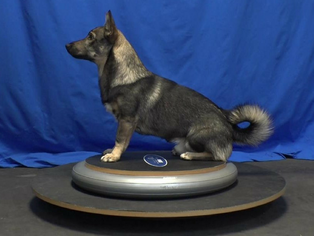
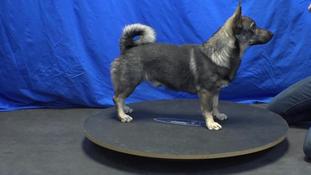
Balance is one of my favorite components of dog fitness training; it’s fun to teach and to share with others! Most dogs enjoy the physical and mental challenge of balance training.  There are many variables involved in this component of fitness, but this is exactly what makes it so much fun!  Some of the many variables include:
  • Your dog’s body position
  • Number of feet on the equipment
  • Height of the equipment versus height of your dog
  • Inflation levels
  • Whether your dog is standing or moving on the equipment
  • The specific piece of balance equipment used
  • Your dog’s prior exposure to the equipment
  • Visual input
Balance is learned, and any dog can do it. For some dogs it will be easy and very natural, others will have to work harder at achieving better balance - but every dog, and dogs of all ages, can improve their balance.

One of the easiest variables to categorize in balance work is the type of equipment being used for the dog's exercise.  By categorizing the balance equipment we can provide a progression of increasing difficulty to continually increase the exercise challenge.

Each piece of equipment will challenge your dog’s body and dog's fitness in a different way, but for ease of categorizing the equipment into levels, we have grouped pieces together.  The grouping is based on how the equipment may affect the muscles, ligaments and joint capsules that need to strengthen when stabilizing your dog’s body during balance exercises.  While we group some equipment together to provide levels in our balance training, the equipment is not 100% interchangeable; even similar pieces of equipment will challenge your dog in slightly different ways. There is benefit to each and every piece of balance equipment. Exercises on a balance pad, a small disc and a giant disc may seem the same to you, but it is not the same to your dog’s body.

With balance equipment, the general progression is moving from the most stable to the least stable. Stability is created by the width and the shape of the equipment. We look at the amount of instability as well as the direction of the instability or movement on that piece of equipment. For example, the K9Fitbone moves side to side but will roll forward and backward as well. And the K9FitBone can be approached from all directions changing it from wide to narrow.

More directions or planes of movement will be harder than one direction or plane of movement. Instability is also affected by inflation levels, but if we use the standard recommended inflation levels provided from the manufacturer, we can limit the variable of inflation and so attempt to classify balance equipment from most stable to least stable. We didn’t say from easiest to hardest because balance is a learned behavior, so what is hard for one dog may not be as hard for another.  And those other variables such as previous exposure to the equipment may play a role in whether the equipment is easy or hard for your dog.  

We also did not mention anything about the height of the equipment. The height of the equipment as compared to the dog can pull in elements of resistance training. (We use resistance training using body weight when we are doing strength training for dogs.)

With so many variables, balance training is a never ending playground of fun and exercise for dogs!


How Your Dog Learns to Balance

8/18/2017

 
Picture
Balance training is beneficial for any dog - old, young, performance or retired.  The fun part of balance training is that the dogs enjoy the challenge and you will see improvement quickly. In fact, with consistent training of 3-4 times a week, improvement can be seen in as a little as 2 weeks!

How is it that your dog's balance can improve so quickly?

It is a learned skill with a basis in your dog’s genetic predisposition. What that means is that some dogs innately seem to have good balance and some do not, but if your dog is not a natural, don’t worry. Your dog can learn to balance better- and learn it quickly!

Neuroplasticity refers to the moldable nature of the brain to form new, and reorganize, synaptic connections. This is the driving force behind the generation of functional neural pathways in learning and memory. Of particular interest to canine athletes, neuroplasticity is what allows for learning and maintaining new motor skills, like balancing.
Motor skill learning is defined as the process by which movements are executed more quickly and accurately with practice. Your dog’s motor skills are acquired over multiple training sessions until performance then reaches a plateau.
There are 3 stages of motor learning that are identified.

The first stage is the cognitive stage. In this initial stage of learning, the goal is for your dog to gain an overall understanding of what is involved. Your dog must determine what the objective is, for instance, balancing on a wobble board, and then process environmental factors that affect your dog's ability to achieve it. The fitness coach must do everything possible to ensure the environment is ideal for learning. This stage is heavy in visual input and trial and error on your dog’s part. This is the fast phase of learning and it occurs during the training session itself.

The second stage is the associative stage. In this stage, your dog’s movements become more refined through practice. This is the slow phase in which the crude movements are refined through practice with small, steady gains developing over many training sessions. Your dog transfers from a “what to do” (what is the goal) to “how to do it.” Visual cues will become less important as proprioceptive cues become more important in that your dog will begin to focus more on how their body is moving and what input is being felt in joints and muscles. The more practice, the more proprioceptive input and the better the movement until your dog reaches a stable peak, the third stage.

This final stage is the autonomous stage in which the movements become nearly automatic. It is at this level that your dog can now perform the movement in nearly any environment with very little cognitive effort, as compared to the first stage.

Another way to look at learning a new motor skill, like balancing on a wobble board, is to break it down into neural processes. The first step is encoding. Encoding overlaps with the fast learning phase (or the cognitive stage) and refers to the process by which a motor skill is converted from an experience to a construct that is stored in the brain. The majority of encoding will occur during actual training sessions.

The second process is consolidation. Consolidation occurs in between training sessions. In consolidation, sleep is the critical time period when the majority of skill learning is consolidated in the brain. Consolidation is an intermediate phase between the fast phase of the cognitive stage and the slow phase of the associative stage.

The third process is retention. This occurs during the slow, associative stage, both during training sessions and in between. This is the commitment of the learned skill to muscle memory and the ability to retrieve this memory then at will. Muscle memory refers to the ability to perform the balance skill without conscious effort.

It is important to remember that the learning of motor skills is not linear. Instead, motor performance, like balancing on a wobble board, shows large improvements during the initial practice and smaller rates of improvement as practice continues. It’s also common to see periods of significant improvement followed by plateaus. During these periods, it is possible that learning is still occurring. Evidence suggests that memory consolidation for long-term storage continues during performance plateaus. These plateaus can be followed by new periods of improvement again.
With such fast improvement in balance skills, your dog can be balancing like a champ in no time!


<<Previous
Forward>>
    Picture

    Dr. Sonnet Jarvis

    Contact:
    480.285.9848  [email protected]


    Categories

    All
    Cruciate Ligament Injury
    Geriatric/Senior Care
    Josh
    Nutrition
    Obesity
    Pain
    Rehabilitation
    Weight Management/Fitness

    RSS Feed

About Us
Dr. Sonnet's Blog
Online Store
Contact
Frequently Asked Questions
Client Testimonials
Fitness & Weight Management
Wheelchairs & Assistive Devices

New Patient Forms
Referring Veterinarians
Copyright © 2026 | Arizona Veterinary Physical Rehabilitation